In the modern manufacturing industry, visual communication has become a critical tool for showcasing capabilities, building client trust, and differentiating brands from competitors. Factories are complex environments with intricate workflows, advanced machinery, and high technical standards. Explaining these operations through traditional text or static images often fails to capture the scale, precision, and efficiency of industrial processes.
This is where an expert manufacturing video producer plays a transformative role. By combining industry knowledge, technical filming skills, and creative storytelling, professional producers convert complicated manufacturing processes into engaging, impactful videos that communicate value clearly to clients, investors, employees, and partners.
Understanding the Role of a Manufacturing Video Producer
A manufacturing video producer specializes in creating high-quality videos tailored specifically for industrial environments. Their role extends beyond simply capturing footage of a factory floor. Key responsibilities include:
- Assessing Production Workflows: Understanding the sequence of operations, critical processes, and areas of high technical importance.
- Strategic Planning: Collaborating with marketing, engineering, and operations teams to define objectives and create a content roadmap.
- Safety Compliance: Ensuring filming adheres to strict safety protocols without disrupting ongoing operations.
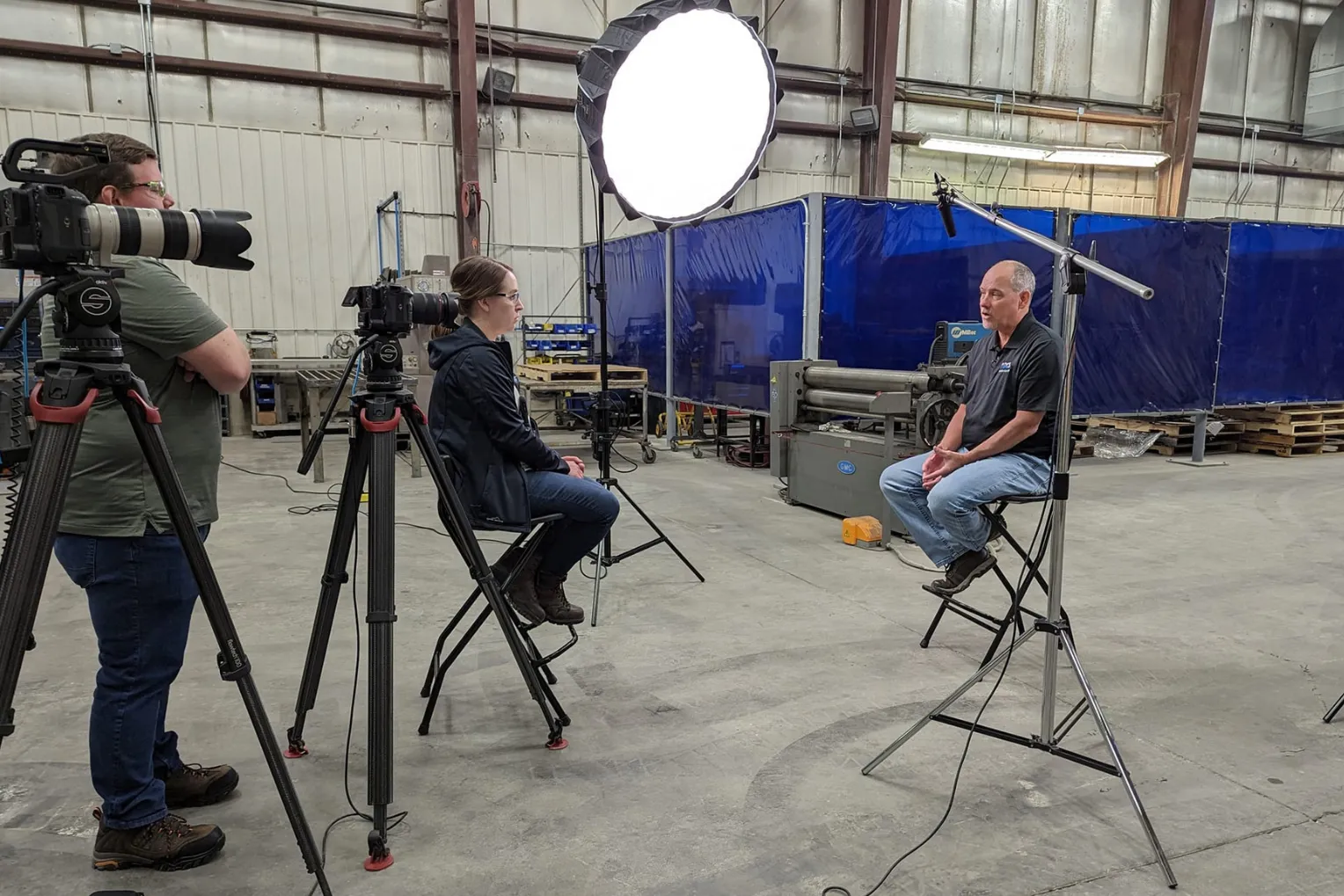
- Technical Filming: Using advanced equipment and techniques to capture high-definition visuals of machinery, production lines, and complex procedures.
- Storytelling and Editing: Transforming raw footage into structured narratives that simplify processes and engage viewers.
By combining these skills, a manufacturing video producer ensures that videos not only look professional but also communicate technical excellence effectively.
Step 1: Translating Complex Industrial Processes into Visual Narratives
One of the primary ways an expert manufacturing video producer adds value is by simplifying complex operations. Industrial processes can be challenging for non-technical audiences to understand, particularly in B2B communications, client presentations, or recruitment materials.
Through careful planning, storyboarding, and scripting, the producer identifies key workflows and visually demonstrates how products are manufactured, assembled, and tested. Techniques such as motion graphics, annotated diagrams, and slow-motion sequences help explain intricate steps clearly, ensuring viewers grasp both the technical and operational significance.
Step 2: Capturing Precision and Scale with Professional Filming Techniques
Professional video production elevates the presentation of industrial processes. Expert producers use high-definition cameras, stabilized rigs, controlled lighting, and specialized lenses to capture detailed visuals of machinery, assembly lines, and production workflows.
Advanced techniques, such as drone footage or time-lapse sequences, provide dynamic perspectives of the factory environment. Close-up shots highlight quality checks and technical precision, while wide-angle shots convey the scale of operations. Together, these techniques create a visually compelling narrative that emphasizes operational excellence. A manufacturing video producer specializes in turning technical processes into clear, engaging visual content.
Step 3: Ensuring Safety and Operational Continuity
Filming in active manufacturing environments involves strict safety considerations. Expert producers coordinate with facility managers, conduct risk assessments, and plan filming schedules to minimize disruption.
They understand how to navigate heavy machinery, restricted areas, and automated systems while maintaining crew and employee safety. This careful approach allows factories to continue operations seamlessly while producing high-quality content, demonstrating professionalism and reliability to clients.
Step 4: Crafting Compelling Storytelling for Maximum Impact
The impact of industrial videos depends not only on visuals but also on storytelling. An expert manufacturing video producer structures content logically, guiding viewers through the process from raw materials to finished products.
Narrative techniques include:
- Highlighting challenges and solutions in production
- Emphasizing efficiency improvements and innovation
- Featuring client testimonials and project outcomes
- Using voiceovers, music, and on-screen graphics to enhance clarity
This storytelling approach ensures that complex operations are engaging and memorable, allowing viewers to connect with both the processes and the brand.
Step 5: Showcasing Quality, Innovation, and Credibility
High-value clients and business partners evaluate factories based on precision, reliability, and innovation. Manufacturing video producers emphasize these qualities by visually demonstrating:
- Quality control procedures and inspection standards
- Advanced machinery and automation technologies
- Custom solutions and innovative problem-solving
- Compliance with industry regulations and safety standards
This visual proof builds trust, reinforces credibility, and positions the factory as a professional and capable partner in the industrial market.
Step 6: Multi-Purpose Content for Marketing, Sales, and Training
Professional manufacturing videos serve multiple business functions. Expert producers create content that is versatile and optimized for:
- Marketing campaigns and trade shows
- Sales presentations and proposal support
- Recruitment and employee training
- Investor relations and corporate communications
This multi-purpose approach maximizes return on investment and ensures that the content provides long-term value across departments.
Step 7: Optimizing Videos for Digital Platforms and Audience Engagement
Expert video producers ensure that industrial videos are optimized for digital consumption. This includes appropriate aspect ratios, file formats, compression, and platform-specific adaptations for websites, social media, email campaigns, and presentations.
Effective optimization increases viewer engagement, improves reach, and strengthens brand visibility. By aligning technical precision with creative storytelling, these videos achieve maximum impact across all channels.
Advantages of Using an Expert Manufacturing Video Producer
- Accurate Representation: Technical processes are captured correctly, ensuring authenticity and reliability.
- Enhanced Visual Quality: Professional equipment and filming techniques produce sharp, clear, and engaging visuals.
- Improved Audience Understanding: Storytelling simplifies complex operations for all audiences.
- Brand Credibility: High-quality videos demonstrate professionalism and operational excellence.
- Multi-Purpose Use: Videos can be repurposed for marketing, sales, training, and investor communications.
- Time and Cost Efficiency: Expert planning reduces production delays and operational disruptions.
Conclusion
An expert manufacturing video producer transforms complex industrial operations into impactful, visually compelling narratives. By combining technical knowledge, professional filming skills, safety compliance, and storytelling expertise, they create videos that effectively communicate operational excellence, innovation, and credibility.
These videos not only enhance marketing and sales efforts but also support recruitment, training, and long-term brand development. In today’s competitive manufacturing landscape, professional video production is no longer optional—it is an essential investment for factories seeking to demonstrate value, engage stakeholders, and achieve sustainable business growth.